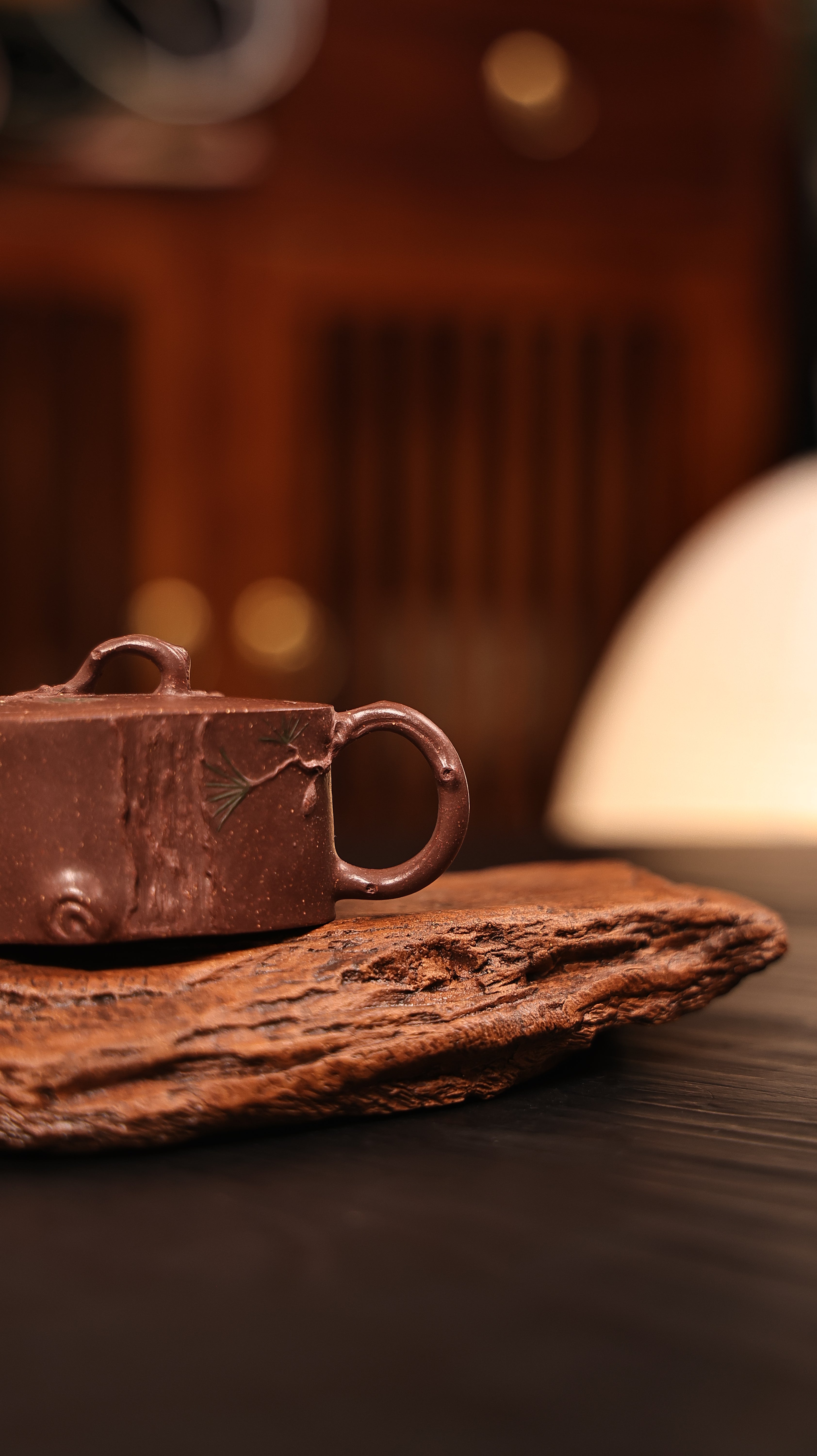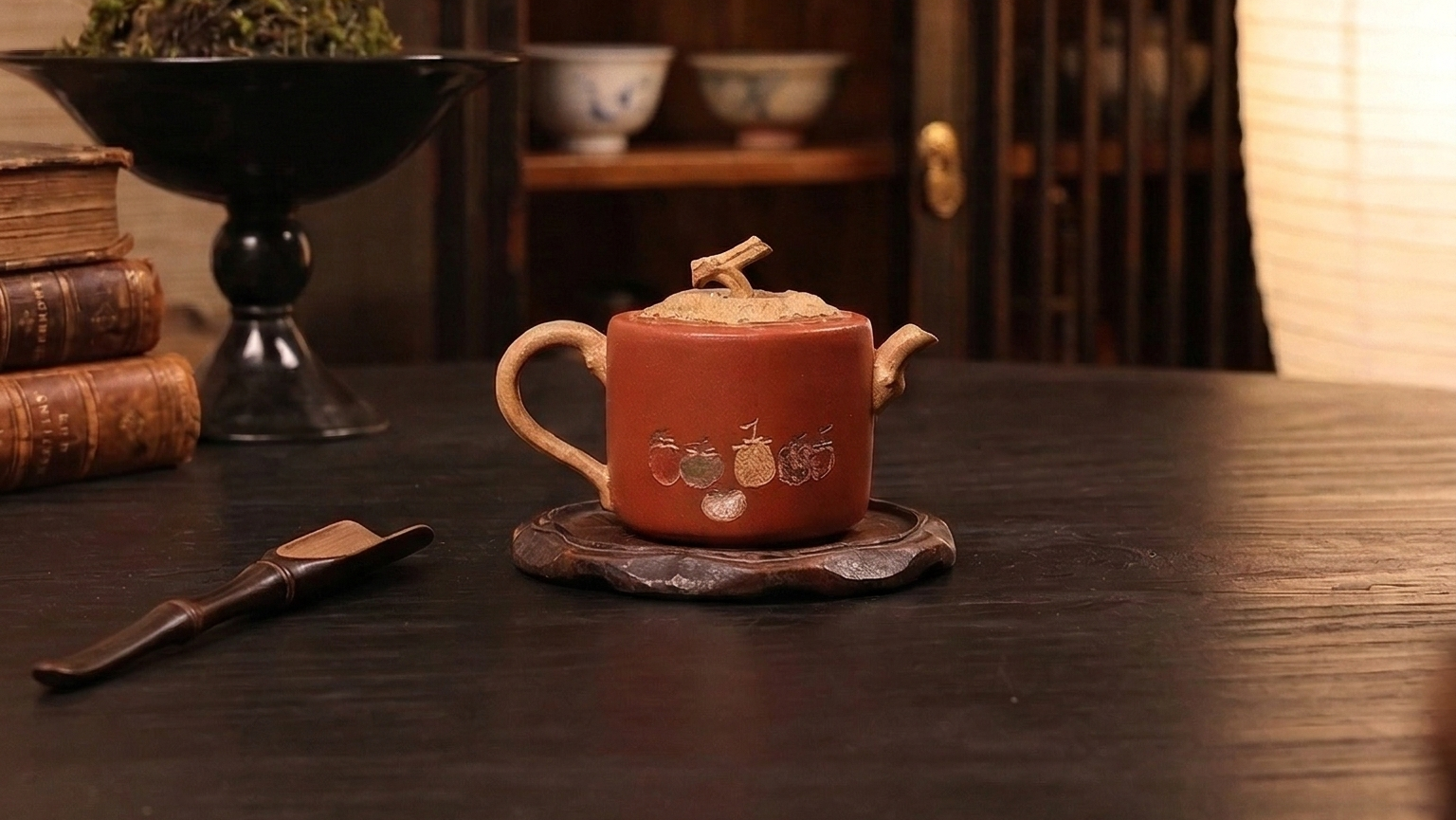
Timeless lineage establishes Jiangnan containers amid epochs,
Expressing exclusive properties derived through homegrown mauve substances, such containers acquire a finish through utilization, augmenting aroma drawn from steeped infusions.
Understanding Yixing Soil: Thorough Insights into Zisha
Numerous enthusiasts acknowledge the unparalleled quality of Yixing amethyst clay, a keystone of ancient Chinese earthenware. Coming from the Yixing region of Jiangsu province, this exceptional clay demonstrates an sophisticated mineral configuration, such that gives remarkable qualities to the final pieces. Classes within Zisha, including Jiang Mud, Duan Ni Mud, and Jiang Xi Mud, each features unique casts, grains, and temperatures traits, impacting the porosity and the peak note growth of the infusion.
Sino Pitcher Heritage: Examining Innovation
Oriental teapots embody far more mere urns for liquid; they symbolize centuries of inherited artistry. From the iconic Yixing clay variations, respected for their spongy nature which adds distinctive nuances to the brew, to the fine porcelain from Jingdezhen, each piece unfolds a tale of artistry. The construction process is an involved task, often passed down through tribes of masters. These connoisseurs use classic techniques such as hand-building, carving on wheels, and embellishing, demonstrating profound reverence for the matter and the art itself. Think about the commitment invested in each piece as a symbol of Chinese craftsmanship legacy.
- Zisha jugs: a classic pick.
- Delicate ceramics teapots: valued for their graceful design.
- Constructing techniques: a arduous yet worthwhile procedure.
Zisha Pitcher Care: Caring for Your Treasure
Appropriate tending of your precious Yixing Zisha urn is necessary to safeguarding its quality. Crafted from celebrated purple sand mineral, these fine teapots form a subtle patina after employment, meaningfully boosting their allure. Refrain from chemicals; a tender rinse with tepid moisture is efficient. Steer clear of steaming water for refreshing the teapot, as it may harm its material. Allow it to desiccate away from excessive solar rays. Consider breaking in your teapot regularly using select tea, especially aged varieties. Here is a brief account:
- Rinse with tepid aqueous solution.
- Resist solvents.
- Give it to dry naturally.
- Cure with premium tea.
History of Yixing Teapots: From Basic Inception
The chronicle of Yixing teapots initiates basically during the Yuan dynasty, roughly the 16th phase. Initially, these wares were not the respected items they are understood currently. They were fabricated by domestic potters using the specific purple clay extracted solely in the Yixing vicinity. These early artworks were principally utilitarian, created for habitual utilization and often unpretentious in configuration. It was not until the next dynasty that they initiated to earn fame beyond mere utility wares.
Selecting the Fitting Native Kettle: A Initial Primer
Delving the realm of Yixing teapots can be intimidating, but shun hesitating! For initiates, the essential factor is understanding the soil. Authentic Yixing clay is prized for its diffusibility, allowing the teapot to soak up the tea's bouquet over time, boosting every brewing session. Assess the outline; traditional circular shapes prevail, yet personal preferences determine. Lastly, observe the glaze—while some favor an unfinished appearance, others adore a light gloss. Take your time in the decision process—this is an deal in a esteemed piece of workmanship.
Zisha Pitchers and Their Role on Chinese Beverage Legacy
Zisha jars, hailing from Yixing, China, have profoundly dictated established Chinese tea culture. Those Yixing clay teapots, prized for their unique complexion, consistency, and exceptional ability to impart a subtle taste to the liquid, are more than mere utensils; they are respected works of art and symbols of prominence. The very act of preparing and serving elixir using a Zisha teapot is steeped in significance, elevating the experience beyond simple refreshment. Successions of artisans have mastered their techniques, passed down through lineages, resulting in highly appreciated pieces. Consequently, Zisha teapots are frequently accumulated, playing a crucial part in cultivating local appreciation for aesthetics and the ceremony of tea ceremonies.
- Signature Clay Composition
- Imparting Subtle Flavor
- Beautiful Craftsmanship
Recognizing Certified Rare Native Pieces
Obtaining a verified Yixing teapot can be a pleasurable experience, but the sector is often saturated with counterfeits. Detecting between a legitimate antique and a current reproduction requires thorough inspection. Key markers include the clay's coppery shade, often displaying striped marks, and the shortage of modern firing imprints. The design should reveal natural grace, reflecting the traditional Yixing approach. Finally, checking the maker's seal is fundamental to verify authenticity against known archives.
- Assess the clay's surface.
- Look for imperfections, indicative of manual quality.
- Hire an consultant for confirmation.
Purchasing Purple Kettles: A Detailed Reference to Purple Clay Interpretation
The environment of Traditional Zisha pottery provides Chinese Teapot a exceptional possibility for shrewd enthusiastic followers. More and more, the price of these custom artifacts is determined by diverse components, such as the rank of component, the dexterity of the potter, the historical importance, and, naturally, the contemporary attention. Newcomers should prioritize on exploring the multiple classes of Zisha clay—such as Chilled Stream, Hushed Pot, and Blush Clay—and familiarizing the qualities linked to each. Meticulous inspection of the item's outline, complexion, and logo is correspondingly paramount to make educated evaluations when investing.