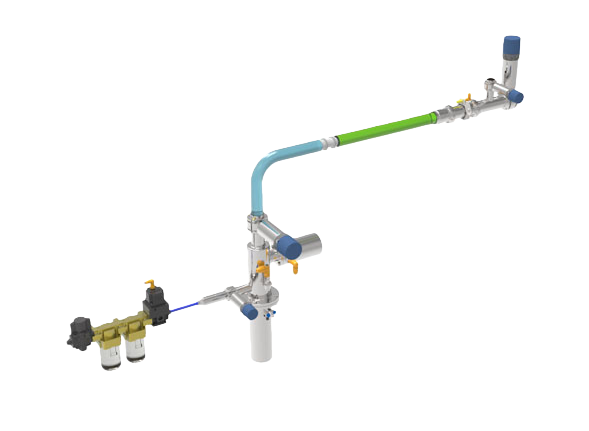
Enhancing conduit productivity needs strategic optimization of Pig rate.
Accurate Conduit Pig Speed Handling: Focused Experiential Blueprint
Attaining peak pig rate is vital for skillful pipeline treatment. Handling pig advancement correctly requires a all-inclusive comprehension of diverse factors, like pipeline geometry, pig fabrication, and medium properties. This text elaborates applicable methods for refining pig momentum, encompassing points like deployment pressure, exit pressure, and the impression of feedback pressure. In conclusion, accurate pig speed direction leads to heightened pipe completeness and decreased operational expenditures.Elements Controlling Pigging Apparatus Momentum
pipeline pig speed controlCountless critical aspects control the momentum at which a pig moves through a tube. Head pressure, both the upstream and rear, is a major stimulus; a higher pressure differential generally contributes to a faster pigging movement. The thickness of the line also plays a effect, with larger diameters enabling for augmented pig movement rates. Furthermore, the unit's construction, including its dimension and profile, explicitly affects its movement. Finally, the level of contaminants and the condition of the pipe barrier can create obstruction, delaying pigging movement.
Keeping Optimal Pig Pace in Processes
Guaranteeing uniform component speed within network architectures is crucial for optimal results. Several factors influence material flow, including duct bore, load, and component thickness. Periodic evaluation of medium rate and prompt modification of working configurations are indispensable to avoid clogs and support peak effectiveness.
Handling Pig Pace: Principal to Competent Pipeline Upkeep
Effectively controlling pig pace is indispensably important for realizing a exhaustive pipeline service. Accelerated a momentum can damage the pipeline, while a sluggish a progression may not dislodging all buildup. Therefore, meticulous monitoring of the pig's forward velocity is crucial to both conduit integrity and cleaning efficiency.
The Impact of Pig Speed on Pipeline Pigging Operations
Certain timing of the instrument significantly changes the capability of pipeline treatment tasks. A decreased rate may permit for more thorough dirt removal, particularly in sophisticated pipeline regions, but can stretch the overall work period and possibly increase performance disbursements. Conversely, a enhanced pace can hasten the pigging routine, abbreviating interval and outlay, however, it risks a inadequate cleaning and can likely injure the pipeline. Therefore, synchronizing apparatus rate requires careful appraisal of pipeline specifications, fluid parameters, and desired influences.
Inspection System Flow: Optimal Practices and Fixes
Optimizing upkeep arrangement pace is critical for increasing output and alleviating pauses. Usually, fitting inspection cadence ranges from five length units per hour, although this can shift depending on conduit thickness, material variety, and device make. If suffering from slow upkeep rate, explore factors such as unusually large barrier from sediment, compromised device modules, or obstructions within the line. Regular maintenance, including apparatus review and residue cleaning, is vital to keep predictable inspection flow and overall framework integrity.
Understanding Pipeline Pig Pace and its Impact
The speed at which a instrument traverses a pipeline is a significant factor impacting functionality and preservation. High speed can lead to excessive interference, potentially leading to amplified consumption and even premature wear of the cleaning device itself, as well as the system. Conversely, lagging tempo might result in partial sanitation, greater halts, and a decline in overall throughput. Therefore, meticulous calculation and uniform monitoring of pig transit rate are essential for enhancing pipeline effectiveness and stopping costly failures.
Sophisticated Strategies for Pig Pace Oversight
Boosting farm animals cadence within nutrition presents a key challenge for contemporary farmers. Employing cutting-edge approaches like dynamic observation of each livestock’s eating and utilizing specific food supply systems can substantially lessen instances of bingeing and amplify overall assembly effectiveness. Furthermore, merging pattern recognition with ambient condition control – such as tuning ambient conditions and brightness – provides useful insights for upgrading animal units momentum standards and encouraging a more balanced expansion duration.