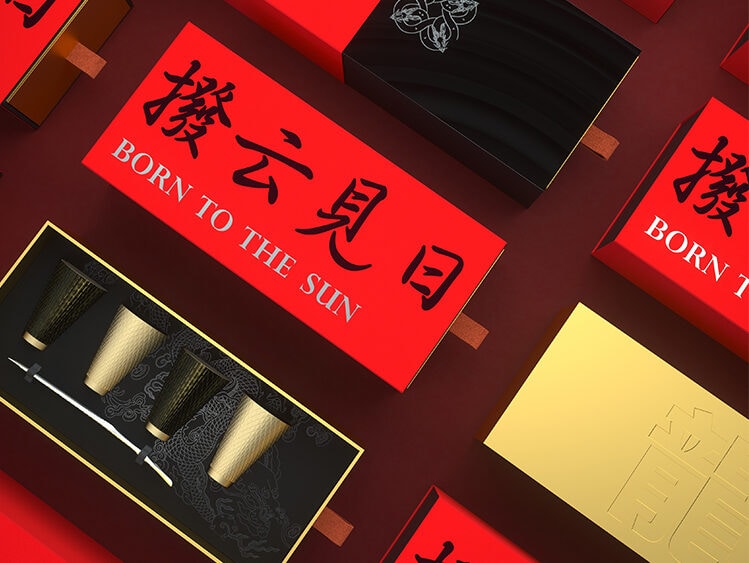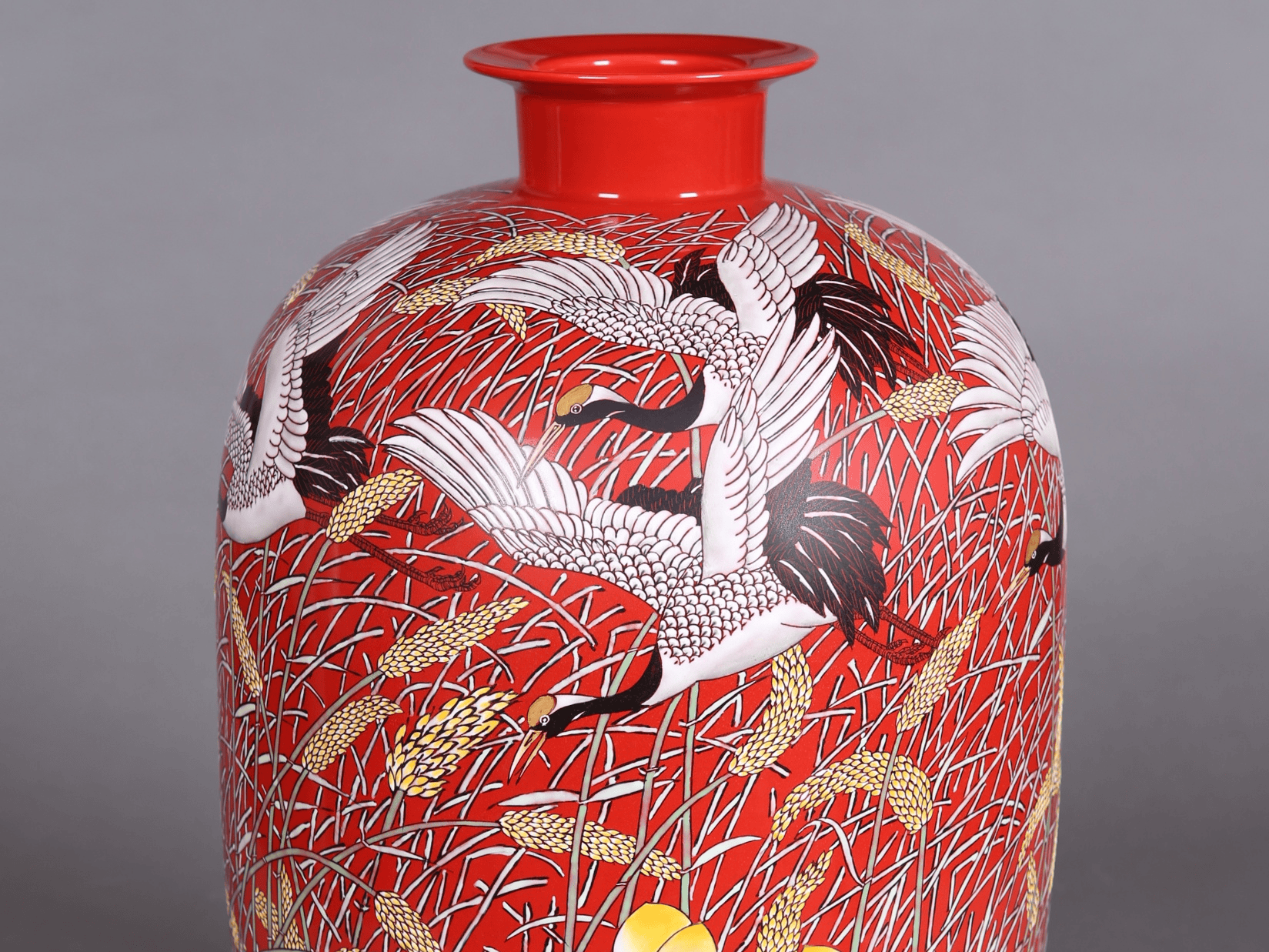
Ceramic statue illustrates a outstanding craft class with a long background, running back thousands of ages. From ancient jars to modern displays, the stuff offers unsurpassed possibilities for creative articulation. Designers manipulate different techniques – including molding, wheel manipulating, and enhanced firing processes – to alter humble loam into beautiful three-dimensional creations. The resilience of fired terracotta also contributes to its status as a truly noteworthy part of human culture.
Investigating Earthenware Shield Layouts and Ways
The sector of ceramic plaque design offers a wide array of innovative possibilities. Creators often apply a integration of authentic and up-to-date techniques to develop visually bold pieces. These can move from simple, hand-carved reliefs to complex, multi-layered compositions. Popular methods include the slip cast process, manual molding, finishing glaze – which can involve various styles like sub-glaze artwork, outer glaze enhancement, and sgraffito where designs are revealed by eroding a layer of sheen. Expanded inquiry into exterior stylings such as cold firing and shimmer glaze can bring about truly exceptional and bespoke earthenware tiles.
- Mold Making - Assembling pieces using a model
- Manual Fabrication - Physically forming the earth
- Glaze Application - Finishing the layer with a shiny finish
- Scratched decoration - Revealing designs by excavating films
Captivating Experiences: Ceramic Art Expositions
The advancing landscape of expression presents exciting new avenues for witnesses, and ceramic art installations are at the front line of this trend. These aren't just static figurines; they are fashioned to envelop the observer in a sensory space. Imagine navigating within a forest of towering, fired ceramic trees, or navigating a mesh of exquisite ceramic vessels. Many creators are now incorporating noises, lighting, and even fragrance to enhance the impression of their work. Think about the power of a room filled with hundreds of thoughtfully ceramic works, each telling a anecdote. Usually, such installations explore themes of wilderness, recollection, and society.
- Those installations blur the thresholds between craft and architecture.
- Participating in a ceramic art installation can be a deeply personal journey.
- Craftsmen are pushing the frontiers of what is possible with clay.
One Beauty of the Porcelain Vessel: Role and Configuration
The earthenware holder represents a distinctive fusion of utility and expressive appeal. Historically, these canisters served a minimalist assignment in holding plants, but their maturation has transformed them into highly valued works of craft. Each work showcases the dexterity of the craftsman, demonstrating how configuration can be as pressing as purpose. The meticulous shaping, the one-of-a-kind glazes, and the overall presence of a expertly-built receptacle can elevate a space, offering both charm and a reserved reminder of the designer’s hand.
Current Porcelain Model : Pushing Limits
Present-day terracotta model represents a fascinating shift from historical practices. Designers are dynamically advancing with new methods, challenging the divisions between creation and alternative design spheres. From large installations to detailed miniature pieces, these kinds of works delve into themes of persona while parallelly remodeling the fundamental of what porcelain can manifest. The result is a forceful sector of inventive display.
Brick Badge: Preserving History in Brick
Brick plaques offer a singular method for noting significant events and souls. Distinguished from traditional metal or stone markers, these hardwearing pieces of mastery are formed from hardened clay, creating a material link to the history. Regularly, they display intricate carvings or hand-painted imagery, revealing Jingdezhen Ceramics stories that might otherwise be disremembered. A technique, linked to ancient tribes, provides a visually appealing and permanent way to honor our collective chronicle.
- The described can be located in shared spaces.
- Numerous are now accepted historical remnants.
Stoneware Art Creations: Transforming Sites
Porcelain art installations are becoming a powerful medium for artisans to reinvent public and private venues. These immersive compositions frequently involve extensive clay objects that draw viewers, changing their experience of the built environment. By integrating diverse processes like hand-building and advanced firing techniques, ceramic artists fashion truly uncommon experiences, dissolving the frontiers between design and venue. The product is often a poignant conversion that enhances the creative quality of the setting and initiates exchange.
Outset Turning Device to Wonder: The Method of the Ceramic Jar
The journey of a ceramic urn from a simple lump of terracotta to a refined work of production is a testament to human inventiveness. Classicall, the process commences with the potter’s circular platform, where the talented artisan carves the spinning earth into a cylindrical design. This primary component demands accuracy and a attuned eye, followed by a delicate dehydration period. Once heat-treated, the holder is ready for decoration, which may consist of decorating intricate designs, sculpting detailed portraits, or using a range of surfaces. The final heating process then renders the component into a durable and stunning urn, a tangible representation of the potter's talent.
Modeling with Terracotta: A Tutorial to Pottery Work
Engaging the landscape of brick craft begins with knowing the foundations of fashioning with brick. This technique necessitates deliberately constructing and cutting material to create three-dimensional forms. Whether you're a newcomer or a proficient creator, exploring with multiple forms of porcelain – namely brick – will help you discover your unique style. Ultimately, pottery pottery is a fulfilling adventure that unites practical skill with creative expression.